High-Performance Pallet Storage Systems
Engineered to maximize vertical cube utilization, streamline forklift access, and seamlessly interface with automated material handling systems.
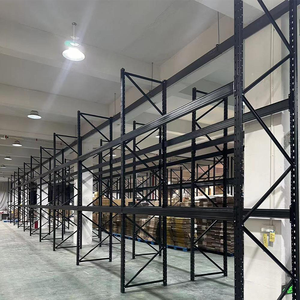
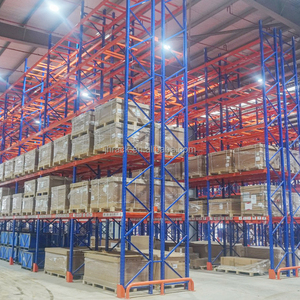
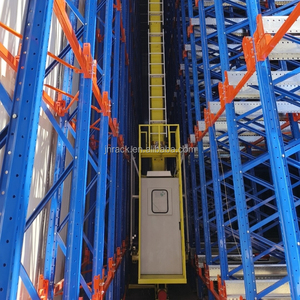
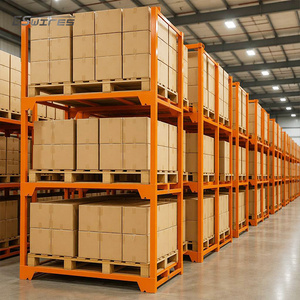
Why Leading Enterprise Supply Chains Partner With Us
Combining over 45 years of structural engineering heritage with global manufacturing scale, delivering high-density pallet storage systems engineered for safety, compliance, and ROI.
Rigorous Structural Engineering & Seismic Design Standards
Selecting top trusted pallet storage system manufacturers requires evaluating structural integrity under dynamic dynamic loading, floor slab settlement, and regional seismic hazards. Every racking frame leaving our automated cold-roll forming lines is engineered in accordance with global standard specifications including EN 15512, FEM 10.2.02, ANSI/RMI MH16.1, and localized regulations such as Colombia's NSR-10 structural standard.
Our high-yield Q355B structural steel profiles undergo rigorous finite element analysis (FEA) to ensure load-bearing safety factors exceed 1.5, protecting warehouse operatives and multi-million dollar inventory investments against structural deflections or collision-induced failures.
Precision Cold-Formed Steel Profiles
Manufactured using high-tensile steel coils with continuous upright punch patterns for micro-adjustable beam pitch positioning (50mm / 75mm increments).
Advanced Surface Anti-Corrosion Protection
Electro-static thermosetting epoxy powder coating (80-100μm thickness) and Hot-Dip Galvanizing (HDG) options engineered for high-humidity and sub-zero cold storage operations.
WMS & Automation Native Integration
Physical rack architectures designed with zero-tolerance tolerances for 2D Pallet Shuttles, Autonomous Mobile Robots (AMRs), and Stacker Cranes in ASRS configurations.
Comparative Analysis of Enterprise Pallet Storage Architectures
Evaluating warehouse foot-print efficiency, SKU selectivity, cycle-times, and capital expenditure across major industrial rack configurations.
| Storage System Type | Volumetric Density | SKU Selectivity | Forklift / AMR Access | Target Operational Use Case |
|---|---|---|---|---|
| Selective Pallet Racking | Standard (40 - 50%) | 100% Direct Access | Standard Counterbalance / Reach Trucks | High-SKU diversity, fast-moving FMCG, third-party logistics (3PL) fulfillment hubs. |
| 2D Automated Pallet Shuttle | Ultra-High (80 - 90%) | FILO / LIFO or FIFO Channel-Based | Autonomous Shuttle Car + Lift Systems | Cold storage, food & beverage bulk, high-density distribution with limited land footprint. |
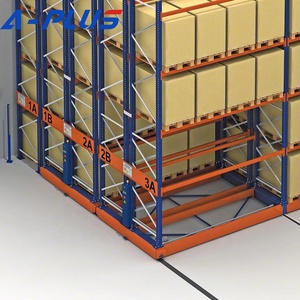
| Electric Mobile Racking (MOVO) | Maximum High (80 - 85%) | 100% Direct (On-Demand Aisle) | Standard Reach / Very Narrow Aisle (VNA) | High land-cost industrial free-trade zones, pharmaceuticals, deep-freeze facilities. |
| ASRS Stacker Crane Systems | Maximum Vertical (>90%) | 100% Automated System Access | Fully Automated Stacker Cranes & Conveyors | 24/7 continuous high-throughput logistics, automated manufacturing buffering. |
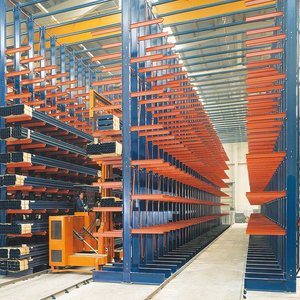
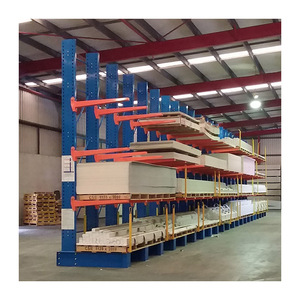
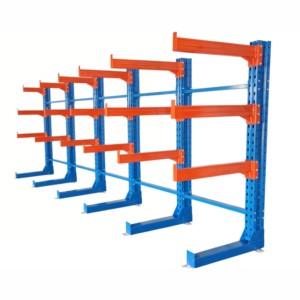
| Heavy-Duty Cantilever Systems | Variable / Open Bay | 100% Linear Access | Side Loaders / Specialized Forklifts | Long, bulky materials: steel pipes, timber packs, structural profiles, extruded aluminum. |
| Nestainer Stacking Racks | Flexible Dynamic Density | Bulk Block Stacking Access | Standard Forklifts | Seasonal inventory spikes, modular temporary storage, returnable packaging logistics. |
Information Gain: Engineering Deflection Standards & Load Safety
When specifying beam profiles, top tier structural engineers adhere strictly to maximum vertical deflection limits. Under full nominal design load, beam deflection must not exceed L/200 (where L is the clear beam length). For automated ASRS installations, tighter tolerances of L/300 or L/400 are required to ensure sensors and shuttle laser guidance systems operate without optical misalignments during high-speed insertion and retrieval operations.
Future Procurement Trends in Industrial Pallet Storage Systems
How automation, ESG sustainability goals, and supply chain volatility are reshaping modern warehouse procurement strategies globally.
Shift to Modular "Racking-as-a-Robot" Architecture
Traditional static storage racks are rapidly evolving into intelligent structural frameworks. Procurement teams are moving away from fixed single-purpose racking toward modular grids optimized for 3D AMR movement, magnetic guide-pathing, and wireless shuttle networks. This enables warehouse operators to scale storage capacity incrementally without replacing core infrastructure.
Sustainable Steel Sourcing & Cold-Chain Efficiency
With corporate Scope 3 emissions coming under regulatory scrutiny, top buyers mandate green steel manufacturing processes, low-VOC powder coatings, and eco-friendly logistics options. Furthermore, high-density systems like Pallet Shuttles directly reduce cold-storage room volume requirements by up to 40%, significantly cutting refrigeration power consumption.
Site-Specific Structural Dynamic Engineering
Global logistics hubs are increasingly built in complex geological and environmental zones—ranging from coastal regions with aggressive saline atmospheres to high seismic hazard areas. Modern procurement guidelines demand certified structural calculations utilizing local building codes (e.g., NSR-10, Eurocode 3, RMI specs) rather than standardized generic off-the-shelf catalogues.
Frequently Asked Questions by Industrial Storage Buyers
Technical guidance to assist logistics engineers, warehouse managers, and procurement leads during project evaluation.