Featured OEM Storage & Industrial Racking Systems
Explore our certified range of high-density warehouse storage systems, precision-engineered components, and custom heavy-duty racks designed for global industrial deployment.
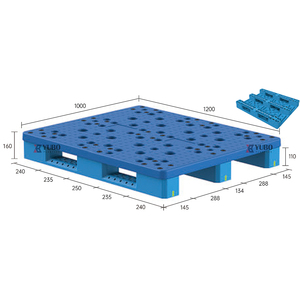
4 Way Entry Single Sided Plastic Pallet Warehouse Stackable Pallet Racking Heavy Duty 1200*1000 Plastic Pallet
View Product Details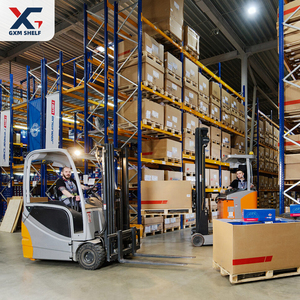
GXM Warehouse Durable Metal Storage Rack Industrial Storage Multi Tier Pallet Heavy Duty Shelf System
View Product Details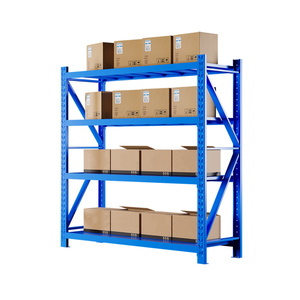
Industrial Warehouse Storage 5-Layer Pallet Racking System with Tire Rack Slotted Angle Rack Stacking Racks & Shelves
View Product Details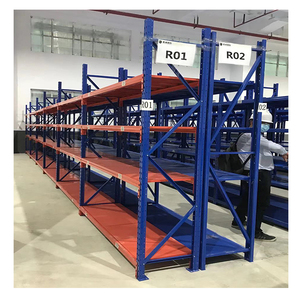
Racking Warehouse Assemble Steel Pallet Rack Heavy Duty Storage Selective Rack System
View Product Details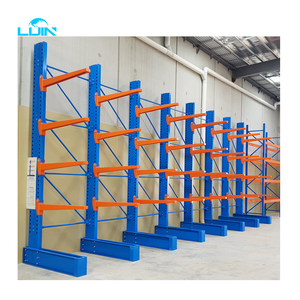
Factory Price Cantilever Rack Heavy Duty Industrial Cantilever Racking Steel Storage
View Product Details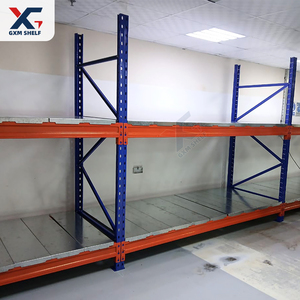
GXM Adjustable Stainless Steel Pallet Rack System Boltless Rack Storage Warehouse Heavy Duty Shelving
View Product Details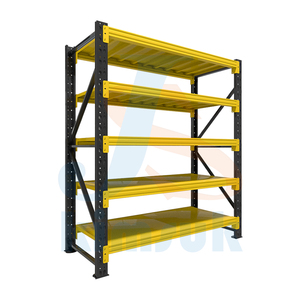
Garage Warehouse Rack Adjustable Storage Stacking Racks Pallet Steel Metal Shelving Shelves
View Product Details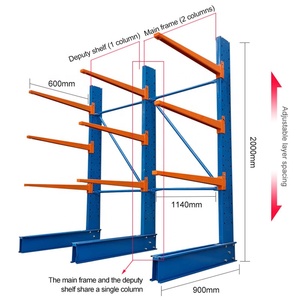
Topeasy Customized Powder Coated Indoor Storage Heavy Duty Rack Cantilever Shelving Cantilever Racking
View Product DetailsEngineering Foundations of OEM Push Back Pallet Racking Systems
Push Back Pallet Racking represents a pinnacle of structural efficiency in high-density warehouse storage engineering. Operating on a Last-In, First-Out (LIFO) inventory control principle, push back systems utilize inclined structural rails combined with a series of nested telescoping carts. When a pallet is loaded from the aisle face, it gently pushes the existing pallet backward onto the next available cart level. Upon retrieval, gravity smoothly glides the remaining pallets forward to the picking front, eliminating the need for forklifts to enter the rack structure.
As a premier Original Equipment Manufacturer (OEM) and direct factory contract production partner, our structural engineering team focuses on overcoming the primary failure points of standard catalog racking: beam deflection under dynamic kinetic loads, track misalignments, binding cart wheels, and structural instability under local seismic forces.
Nested Cart Kinematics
Custom engineered 2 to 6-deep nested cart configurations constructed from heavy-gauge structural steel tubes. Precision-ground polyurethane or steel wheels equipped with sealed stainless steel bearings ensure frictionless glides under 1,500 kg per pallet payload capacity.
Seismic Analysis (NSR-10 / EN 15512)
Engineered specifically to comply with site-specific seismic hazard zones (e.g., Colombian NSR-10 regulations, US RMI, and European EN 15512 standards). Reinforced upright frames, heavy-duty baseplates, and high-tensile floor anchors guarantee absolute dynamic resilience.
Declination Pitch Optimization
Custom engineered rail declination angles (typically 1.5° to 2.5° slope) customized according to pallet type (wooden, plastic, steel), bottom runner geometry, and operating room temperature—including specialized cold-storage anti-freeze formulations.
Why Logistics Leaders Select Our OEM Manufacturing Contract
With over 45 years of continuous structural manufacturing experience since 1977, our production infrastructure bridges international structural certifications with customized local site specifications.
Precision Roll-Forming & Structural Steel Fabrication
Our 8 global production facilities utilize state-of-the-art continuous cold roll-forming lines and robotic gas-metal arc welding (GMAW) cells operating under ISO 3834-2 quality protocols. We process high-tensile structural coil (Q235B, Q355B steel grades) to manufacture upright channels with adjustable 50mm or 75mm pitch profiles.
- Upright Section Thickness: 1.8mm, 2.0mm, 2.3mm, up to 3.0mm structural grade.
- Powder Coating Protection: Electro-static epoxy powder coat (60-80 μm thickness) or hot-dip galvanization (HDG) for severe coastal humidity (e.g., Barranquilla, Cartagena).
- Custom Cart Colors: Color-coded cart nesting for instant visual identification of lane occupancy by forklift drivers.
Rigorous QA/QC & Structural Verification Testing
Every OEM push back racking project undergoes Finite Element Analysis (FEA) computer modeling to verify structural deflection limits (L/240 standard) and dynamic impact resistance.
- Ultrasonic Weld Testing: Non-destructive testing (NDT) on critical load-bearing cart stop-gates and beam connector hooks.
- Full-Scale Prototype Testing: Load testing up to 150% rated payload capacity in simulated environmental chambers ranging from -30°C freezer conditions to +45°C humid storage.
- Traceability: Full material test report (MTR) certification from mill to completed component.
OEM Push Back System Technical Parameters Matrix
Compare core structural parameters between custom OEM Push Back engineering and standard storage alternatives.
| Specification Parameter | OEM Custom Push Back System | Selective Pallet Racking | Drive-In Racking |
|---|---|---|---|
| Storage Density Efficiency | High (Up to 75% Footprint Utilization) | Low to Medium (40%-50%) | Very High (Up to 85%) |
| Selectivity / Access Speed | High (LIFO by Lane, Multiple SKUs per Bay) | 100% Selective (1 SKU per Position) | Low (LIFO by Entire Block) |
| Forklift Risk / Structural Impact | Zero Internal Drive Impact (Aisle Facing Only) | Moderate Aisle Exposure | High Risk (Forklift Enters Rack Structure) |
| Pallet Depth Capacity | 2, 3, 4, 5, or 6 Pallets Deep | 1 or 2 Pallets Deep (Double Deep) | Up to 10+ Pallets Deep |
| Load Capacity Per Position | Up to 1,500 kg (3,300 lbs) per Cart | Up to 3,000 kg per Beam Level | Up to 1,200 kg per Runner Level |
| Operating Temperature Range | -30°C Cold Store to +50°C Ambient | Unrestricted Ambient/Cold Store | Unrestricted Ambient/Cold Store |
Strategic Procurement Trends in High-Density Industrial Racking
As international logistics hubs, free trade zones (Zonas Francas), and automated micro-fulfillment centers rapidly expand, global procurement managers are shifting away from off-the-shelf standard distributors toward direct-factory OEM manufacturing partnerships.
1. Hybrid Push Back + AMR Integration
Modern distribution centers are increasingly combining heavy-duty push back lower levels (for rapid LIFO replenishment by Autonomous Mobile Robots or AGVs) with upper-level automated buffer storage. OEM customization allows for specific guide channels and safety sensor brackets designed for robotic grippers.
2. ESG & Low-Carbon Steel Sourcing
Enterprise ESG commitments demand verifiable supply chain sustainability. Leading OEM manufacturers utilize electric arc furnace (EAF) steel with high recycled content, powered by factory roof solar panel arrays, and utilize waterway transport to minimize transport carbon emissions.
3. Real-Time Structural Telemetry
Next-generation OEM push back installations feature embedded wireless strain gauges and seismic displacement sensors. These IoT devices monitor structural stress in real-time, sending automated alerts before minor forklift collisions cause catastrophic rack collapses.
High-Density Push Back Applications Across Key Industries
Cold Storage & Food & Beverage Distribution
Cold storage facility energy consumption is proportional to warehouse volume. Utilizing a 4-deep or 5-deep OEM push back system reduces aisle space requirements by up to 40% compared to selective racking, reducing the refrigerated cubic space required per pallet position and yielding massive utility savings. Special low-temperature lubricants prevent bearing freeze-ups down to -30°C.
Pharmaceutical & Fast-Moving Consumer Goods (FMCG)
For operations managing medium-tier SKU counts with high turnover rates per SKU, push back systems offer optimal LIFO control by lane. Each lane accommodates distinct batch numbers or expiry dates, allowing rapid truck loading and unloading without disturbing adjacent rack aisles.
Frequently Asked Questions by Industrial Buyers
Technical answers provided by our senior OEM project engineering team to assist your procurement decision.
Request an Engineering Consultation & OEM Quotation
Optimize your warehouse storage footprint with custom factory-engineered push back pallet racking. Connect directly with our structural engineering team for complimentary layout calculations, FEA analysis, and wholesale OEM contract pricing.