Engineered OEM Storage Racking Systems
High-capacity cold-rolled steel pallet rack configurations engineered to EN 15512, RMI, and FEM structural guidelines.
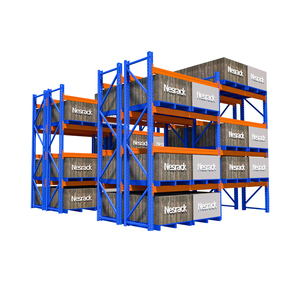
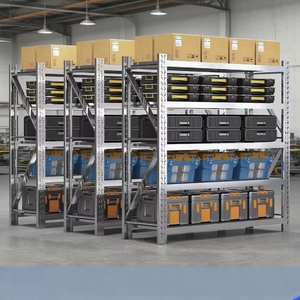
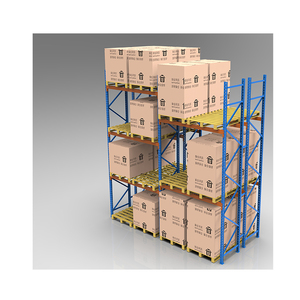
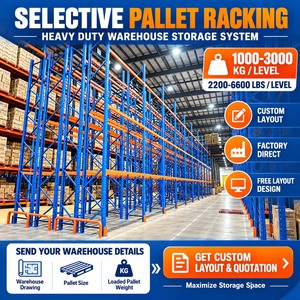
1. The OEM Manufacturing Paradigm: Custom Steel Storage Racking Engineering
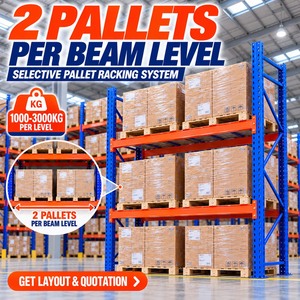
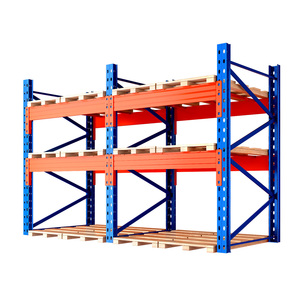
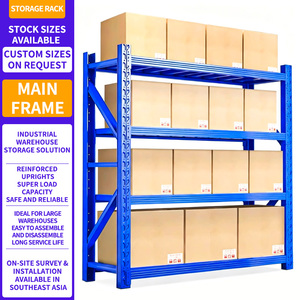
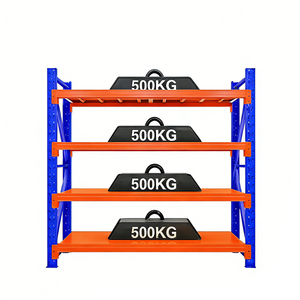
Modern industrial supply chains demand precise volumetric efficiency, high structural safety factors, and tailor-made physical configurations. A generic, off-the-shelf racking system often fails to maximize vertical clear height or withstand local dynamic seismic loads. Custom OEM pallet storage racking factory engineering bridges this gap by customizing every upright profile, beam connection, baseplate anchor, and diagonal bracing assembly to exact operational parameters.
Our global production network leverages specialized cold-rolling production lines to shape high-tensile structural steel (primarily Q235B, Q355B, and SS400 grades). By controlling the geometric cross-section of the upright frame—incorporating multi-ribbed profile bends—our factory increases the moment of inertia without adding unnecessary dead weight to the warehouse floor slab.
Information Gain Metric: Cold-rolled structural profiles engineered under EN 15512 yield up to 18% higher load-to-weight efficiency compared to standardized structural channel sections, drastically reducing raw material freight costs and floor slab point loads.
Technical Specification & Structural Integrity Matrix
When procuring racking systems directly from OEM factories, engineering teams must evaluate raw material specifications, surface treatment resilience, and seismic load compliance metrics:
| Structural Component | Material Specification | Standard Manufacturing Tolerances | Surface Finish / Protection |
|---|---|---|---|
| Upright Frames | Q355B High Yield Cold-Rolled Steel | EN 15512 / RMI Guidelines (±0.5mm profile draft) | Thermosetting Epoxy Powder Coating (60-80μm) or Hot-Dip Galvanized |
| Step & Box Beams | Q235B / Q355B Steel (Double C-Profile Interlocked) | Beam Deflection Limit: L/200 under Maximum Uniform Load | Electrostatic Powder Coated (RAL 2004 / RAL 5015 Standard) |
| Baseplates & Anchors | Structural Steel Plate (S235JR / High-Tensile Expansion Bolts) | Seismic Shear & Moment Capacity to Local Building Codes (e.g. NSR-10) | Zinc Plated / Stainless Steel for Cold Storage & Coastal Humidity |
| Diagonal & Horizontal Bracing | Cold-Formed C-Channel Galvanized Struts | EN 1090-2 Execution Class 2 Robotic Arc Welded Assembly | Pre-Galvanized Finish (Z275 Coating Density) |
2. Strategic Enterprise Advantages & Seismic Engineering Resilience
Operating as an elite manufacturing entity within international supply chain networks, our organization combines over four decades of legacy engineering experience (dating back to 1977) with cutting-edge robotic fabrication. With 8 specialized manufacturing plants worldwide—including state-of-the-art facilities in Europe and North America (such as our 240,000 sq ft production facility in Calhoun, Georgia)—we guarantee resilient lead times and robust OEM production capacity.
Seismic Mitigation & Environmental Protection Standards
Warehouse installations in seismic hazard zones—such as the Andean region under NSR-10 standards or West Coast US zones—require rigorous site-specific calculations. Generic structural modeling is insufficient. OEM factory customization ensures that vertical racking structures account for seismic zone coefficients, spectral acceleration curves, and concrete floor slab compressive strength.
Seismic Design (NSR-10 & RMI)
Every frame configuration is stress-tested using Finite Element Analysis (FEA) to ensure structural stability during seismic accelerations, protecting stored inventory and facility personnel.
Corrosion Prevention
For coastal, marine-adjacent, or high-humidity distribution centers (e.g. Barranquilla, Cartagena, or port logistics hubs), hot-dip galvanized components offer multi-decade rust protection.
ESG & Carbon Neutrality
Our factory operations incorporate over 7,000 roof-mounted solar panels, eco-friendly powder coating technologies without volatile organic compounds (VOCs), and an electrified logistics fleet program by 2028.
3. Future Procurement Trends & Technological Evolution (2025–2035)
The global warehousing and material handling landscape is undergoing a rapid transition toward automated vertical density, dynamic throughput robotics, and carbon-audited structural components. Procurement teams evaluating OEM custom pallet storage racking systems must align short-term capital expenditures with long-term technology roadmaps.
Key Micro-Trends Reshaping OEM Racking Specifications:
- Automation-Ready Structural Interfaces: Transitioning from standard manual forklift access to integrated 2D Pallet Shuttle systems, Autonomous Mobile Robots (AMRs), and Goods-to-Person automated storage bins. OEM racking must be manufactured with extreme beam straightness and strict deflection tolerances to prevent robot guidance misalignments.
- Cubic Space Optimization in High-Cost Logistics Corridors: As industrial land prices soar near urban epicenters and Free Trade Zones (Zonas Francas), facilities are expanding vertically. High-bay racking systems reaching 30+ meters in height require precision cold-rolled profile geometry and high-tensile connection plates.
- Cold-Chain Dense Storage Acceleration: Temperature-controlled distribution networks (pharmaceuticals, fresh produce, frozen foods) carry high energy costs per cubic meter. Pallet Shuttle systems and Drive-In configurations manufactured by OEM factories maximize pallet density while reducing thermal dissipation volumes.
4. OEM Storage Racking Procurement Technical FAQ
Crucial engineering and procurement answers for warehouse operations directors, facility planners, and industrial supply chain buyers.
Why is customized OEM racking preferred over generic standard off-the-shelf racking?
Custom OEM manufacturing allows exact matching of rack depth, beam spans, frame heights, and gauge thicknesses to your specific pallet dimensions, handling equipment turn-radii, clear building heights, and floor slab load capabilities. This maximizes cubic storage capacity by up to 40% while preventing structural overload.
What structural certification standards should procurement mandate from a racking factory?
Industrial racking systems should comply with international structural design codes such as EN 15512 (European standard for static steel racking), RMI (Rack Manufacturers Institute ANSI MH16.1 in North America), and FEM 10.2.02. Furthermore, factory production lines should hold ISO 9001 quality management and ISO 14001 environmental management certifications.
How do dynamic seismic loads affect racking component selection?
In medium-to-high seismic risk regions, seismic forces create significant horizontal shear forces and overturning moments at the rack base. OEM factories solve this by increasing baseplate surface area, using higher grade anchor bolts, adding heavy-duty structural bracing frames, and applying thicker gauge steel to bottom upright sections.
What protective finishes are recommended for chemical or cold storage environments?
Standard indoor dry warehouses utilize thermosetting epoxy-polyester powder coating (60-80 microns). For sub-zero cold storage facilities or humid coastal warehouses, hot-dip galvanizing (HDG) or specialized zinc-rich duplex primers are mandated to protect the steel substrate against corrosion caused by condensation and chemical exposure.
What initial technical data is required to request a engineered racking project study?
To produce an accurate engineering drawing and quotation, provide: (1) Warehouse CAD floor plan and clear building height, (2) Pallet dimensions [L x W x H] including overhanging goods, (3) Maximum load weight per pallet, (4) Forklift truck specifications and minimum aisle width requirements, and (5) Site location for local seismic/wind load calculations.
Request a Custom Engineering & OEM Racking Proposal
Connect directly with our senior racking structural engineers and OEM project managers. Submit your warehouse floor plan and load specifications for a custom layout study and competitive factory quotation.
Send an Inquiry