High-Performance Storage Racking Systems
Engineered for extreme structural integrity, high throughput, and seamless integration with modern logistics infrastructure.
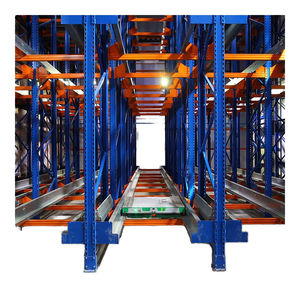
Heda Automated Warehouse Storage System Pallet Runner Selective Pallet Rack Steel Corrosion-Resistant Cold Storage Racking
View Product Specs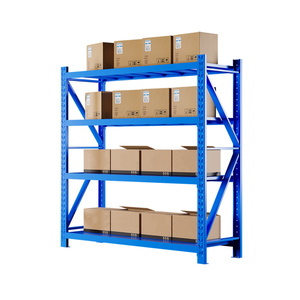
Industrial Warehouse Storage 5-Layer Pallet Racking System with Tire Rack Slotted Angle Rack Stacking Racks & Shelves
View Product Specs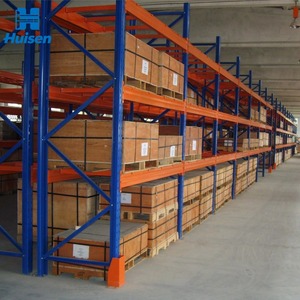
Custom Heavy Duty Shelving 3000 Kg Layer Garage Customized Tier Warehouse Storage Metal Stacking Shelf Heavy Duty Rack
View Product Specs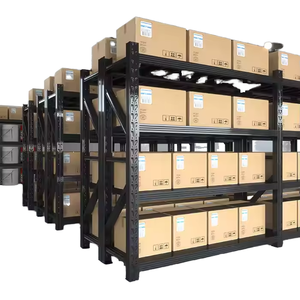
Commercial Light Duty 3 Tier Metal Tire Storage Rack Multi Layer Warehouse Shelving Home Garage Workshop Box Goods Wholesale Use
View Product Specs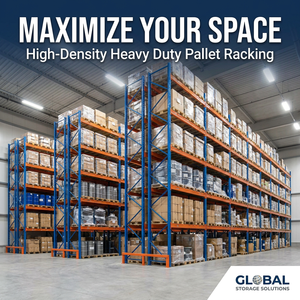
Top Rated Heavy Duty Steel Rack Customized Heavy Duty Racking System for Large Scale E-commerce Logistics Warehouse
View Product Specs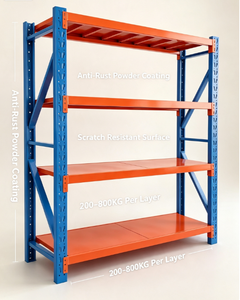
High Load Capacity Adjustable Multi Tier Steel Shelves Boltless Warehouse Storage Rack for Commercial Use
View Product Specs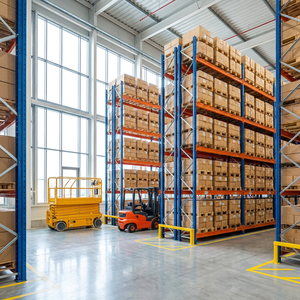
Q235B Cold Rolled Steel Rack Multi Level Pallet Rack Warehouse Shelving Heavy Duty Shelves Factory Industrial Racking Systems
View Product Specs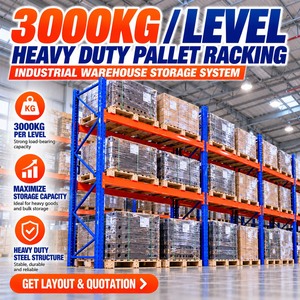
3000kg Per Level Heavy Duty Warehouse Pallet Racking System
View Product SpecsWhy Partner with China's Premier Racking Exporter
Combining world-class metallurgy, rigorous finite element analysis, and high-capacity automated production to power supply chains across 60+ countries.
High-Grade Certified Steel (Q235B / Q355B)
We source prime cold-rolled steel directly from top-tier state steel mills. Our profiles undergo strict continuous roll-forming to ensure uniform wall thickness and superior flexural yield strength under extreme dynamic loads.
Tensile Yield Strength > 355 MPaAdvanced Automated Production
Equipped with fully automated robotic welding cells, CNC punch presses, and eco-friendly automatic electrostatic powder coating lines. Our surface treatments pass 500+ hours of ISO 9227 salt spray corrosion resistance tests.
Epoxy Coating Thickness 60–80 µmInternational Code Compliance
All structural load calculations strictly adhere to international engineering standard protocols, including European EN 15512, FEM 10.2.02, and American ANSI MH16.1 specifications for industrial steel storage racks.
Certified Safety Factor 1.55Engineering Standards & Selection Framework for Industrial Warehousing
A comprehensive analysis of structural load dynamics, space utilization efficiency, and ROI optimization for procurement directors.
1. The Physics of Storage Safety: Beam Deflection & Frame Loading
In modern high-bay logistics centers, warehouse racking is not merely static furniture—it is a specialized structural framework subjected to massive dynamic forces during forklift operations, material placement, and seismic events. Standard engineering protocols require that beam horizontal deflection under maximum load must never exceed L/200 (where L is the clear span length of the beam). For example, on a 2700mm pallet beam designed for 3000kg static load capacity, maximum allowable deflection is capped strictly at 13.5mm.
Furthermore, frame uprights must absorb both axial vertical loads and lateral impacts. Our upright profiles feature continuous 50mm or 75mm pitch teardrop/slotted hole patterns engineered with cold-rolled stiffening ribs. This geometry prevents localized torsional buckling under maximum compression, providing warehouse managers with unmatched structural safety margins.
2. Storage Density vs. Direct Accessibility Matrix
Choosing the correct structural configuration requires balancing total pallet positions against item selectivity requirements. Below is an engineering evaluation of common racking archetypes:
| Racking Architecture | Storage Density | Selectivity Rate | Pallet Positions per m² | Ideal Application |
|---|---|---|---|---|
| Selective Pallet Racking | Baseline (1.0x) | 100% Direct Access | 1.5 – 2.2 | High SKU count, FMCG, 3PL fulfilment centers |
| Automated Pallet Runner (Shuttle) | Ultra-High (2.8x) | FILO / FIFO Batch | 4.5 – 6.0 | Cold storage, food & beverage, high-volume SKUs |
| Multi-Tier Mezzanine Platform | High Floor Area (2.0x) | 100% Hand Picking | N/A (Multi-Level) | E-commerce bin picking, automotive spare parts |
| Heavy-Duty Cantilever Racking | Medium (1.5x) | 100% Column Direct | Unrestricted Length | Steel pipes, aluminum extrusions, timber, PVC tubes |
Future Procurement Trends in Global Industrial Storage
1. Convergence of Steel Racking & AMR Robotics
Traditional static racking is rapidly evolving into hybrid robot-ready physical architecture. Modern procurement strategies mandate structural racking integrated with Autonomous Mobile Robots (AMR), 2D Pallet Shuttles, and Automated Guided Vehicles (AGVs). This reduces reliance on manual forklift labor while elevating warehouse operating throughput by up to 300%.
2. Sustainability & ESG Carbon-Footprint Demands
Global enterprises are auditing scope 3 upstream supply chain emissions. Premium Chinese exporters are adopting green manufacturing protocols—utilizing 100% recyclable cold-rolled steel, rooftop solar power installations for plant operations, and solvent-free powder coatings that eliminate VOC emissions during baking.
3. Seismic Resilience & Climate Adaptation
Logistics facilities in earthquake-prone regions (such as the Pacific Ring of Fire or Andean zones) require advanced dynamic seismic coefficient design (NSR-10, US seismic zone 4 compliance). Uprights are fitted with oversized baseplates, high-tensile chemical anchors, and diagonal back-bracing systems to withstand magnitude 8.0+ tremors.
Standardized Quality Control & Global Shipping Logistics
From initial CAD layout modeling to container loading optimization, we ensure flawless project delivery overseas.
Full-Traceability Quality Inspection
Every steel coil batch undergoes spectral chemical analysis, tensile strength verification, and thickness tolerance checks. Beam-to-column connector locks are tested for dynamic shear strain before leaving our facility.
Knocked-Down Export Packaging
Components are bundle-wrapped in protective plastic films, corner-guarded with heavy-duty cardboard, and bound onto custom steel pallets to prevent ocean transport corrosion and shipping movement damage.
On-Site Installation Support
We provide comprehensive 3D installation blueprints, step-by-step video tutorials, and dedicated structural engineers available for worldwide on-site supervision or remote technical guidance.
Industrial Racking Procurement Knowledge Base
Expert technical answers to essential questions asked by international buyers and warehouse engineers.
What makes China the preferred global sourcing hub for industrial warehouse racking?
How do I determine the exact loading capacity required for my warehouse racking?
What surface treatments are recommended for cold storage or humid coastal environments?
Can selective pallet racking be upgraded to semi-automated shuttle systems in the future?
What documentation and certifications are provided for international customs compliance?
Ready to Optimize Your Warehouse Capacity?
Connect directly with our senior structural engineers to receive a customized CAD layout drawing, structural load study, and competitive factory-direct quote within 24 hours.