Choosing among the 10 Best Pallet Rack Systems for Warehouse Storage starts with the building, not the catalog. Measure clear height, aisle width, column spacing, and the loads each beam must support. Then consider how often workers need each pallet. A rack that looks efficient on a floor plan may slow daily picking when fast-moving goods sit behind slower stock.
“Good rack selection makes safe access and practical flow work together.” — Jordan Ellis, warehouse storage specialist
That principle guides this comparison of Pallet Rack Systems, from selective racks with direct access to high-density options designed to use space differently. Each system brings trade-offs. Drive-in racks can store many similar pallets, but limit access to individual loads. Push-back designs offer more selectivity, yet require careful attention to product rotation and operating routines. There is no universal winner.
A useful comparison also looks beyond capacity. Check load ratings, compatible pallet dimensions, forklift requirements, installation conditions, and inspection needs. Confirm specifications with qualified suppliers and the rack manufacturer; small measurement errors matter. A beam that fits on paper may not fit a real aisle.
This guide aims to make those decisions clearer, though no list can replace a site assessment. Your inventory changes. So might your workflow. Start with the constraints you can measure, and question assumptions that seem convenient.
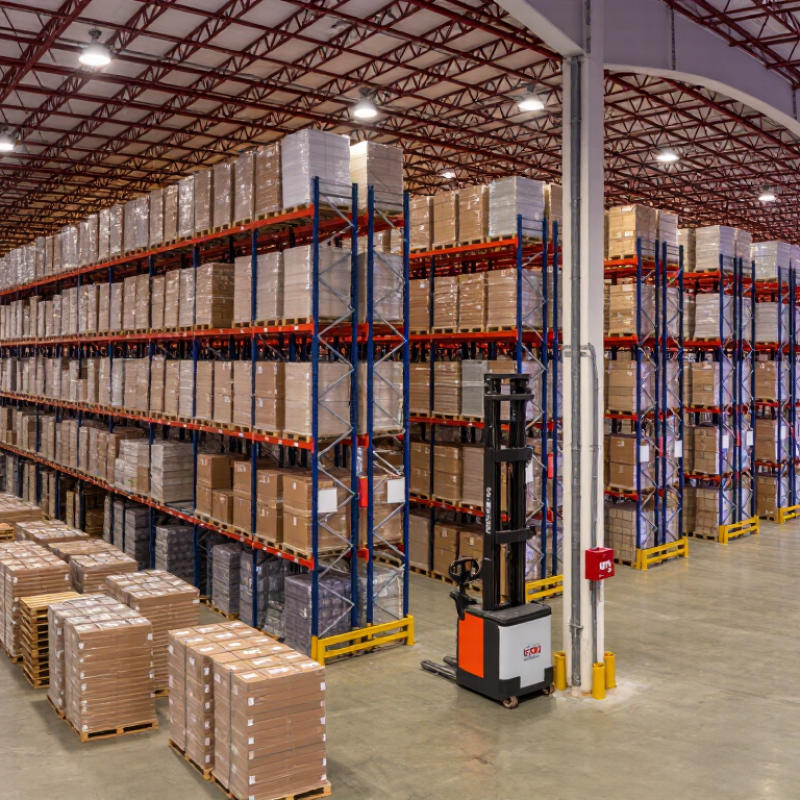
Pallet rack systems turn vertical warehouse space into organized, accessible storage. Their role goes beyond holding pallets: rack design affects picking speed, forklift movement, inventory visibility, and how safely loads are stored. Selective racks provide direct access to many pallet positions, while drive-in, push-back, and pallet-flow designs can increase storage density for suitable inventory patterns.
The right system depends on more than floor area. Planners need to check pallet dimensions, product weight, turnover rates, ceiling height, forklift reach, and aisle width. A slow-moving product stored in a high-density lane may make sense; fast-moving goods often need quicker access. Small details matter. A few inches of clearance can change whether a pallet fits safely or obstructs handling.
Rack capacity must match the actual load, not an estimate based on appearance. Clear load information, sound floor conditions, proper anchoring, and routine inspections all support reliable operation. Look for bent uprights, loose connections, or damaged beams, and address concerns before loading the affected area. A tidy layout can still be inefficient, and even a careful plan may miss real traffic patterns. Reviewing the system after daily use helps reveal where adjustments are needed.
10 Best Pallet Rack Systems for Warehouse Storage
Comparing pallet rack options starts with the load, not the price tag. Check the weight of each pallet and the total load per beam level. Measure pallet width, depth, and height, then allow room for forklift movement. A layout that looks efficient on paper may feel cramped on a busy Monday. That detail is easy to miss.
Rack style affects access and storage density. Selective racks offer direct access to each pallet, while higher-density designs may reduce aisle space but limit access to individual loads. Consider how quickly stock moves and whether older inventory needs to be reached first. Check ceiling height, floor condition, and planned changes to your product mix. A warehouse layout rarely stays perfect for long.
Tips: Ask a qualified rack professional to verify load ratings and layout assumptions. Mark proposed aisle widths on the floor and test them with your equipment. Compare installation and inspection needs, too—not just the initial quote. If a key measurement is uncertain, pause and recheck it.
Pallet rack systems differ in how they support loads, present pallets, and guide equipment through an aisle. Selective rack gives a forklift direct access to every pallet, making it practical for varied stock. Double-deep rack stores pallets in pairs, but needs reach equipment and makes rear pallets less accessible. Drive-in rack lets forklifts enter its lanes, which suits larger batches of similar goods. Drive-through rack has openings at both ends, allowing access from either side. Forklift access matters. Push-back rack stores pallets on nested carts, while pallet-flow rack uses inclined rollers to move stock toward the picking face. Trade-offs remain.
Pallet-shuttle systems use a powered carrier to move pallets inside deep lanes, reducing forklift travel within the rack. Mobile rack runs on powered bases, opening only the aisle needed for access. Cantilever rack uses arms instead of shelf beams, accommodating long items such as pipe or timber. Structural rack uses heavier frame components and can suit demanding layouts. Each design changes storage density, retrieval speed, and equipment needs. Denser storage is not automatically better; slower access may disrupt picking. Before choosing, compare pallet dimensions, load weights, floor condition, and the forklifts’ turning space. A qualified rack specialist should verify load ratings and clearances for the actual layout. Measure the busiest aisle during a real shift, not just on a drawing.
This chart compares the number of aisle-accessible ends in a typical layout. Drive-through and pallet-flow lanes are accessible from both ends; most other systems are typically loaded and retrieved from one aisle side. Actual layouts can vary.
Access ends describe lane layout, not storage capacity or selectivity. A pallet-shuttle system is shown in a typical single-end, last-in, first-out configuration.
Choosing a pallet rack system starts with the way inventory moves, not just the available floor area. Selective rack gives forklifts direct access to each pallet, making it practical for many SKUs with uneven demand. It does use more aisle space. Measure the aisle.
For deep quantities of a few products, double-deep or drive-in rack can increase storage density. Check forklift reach and operating clearances before committing; denser storage may slow access and complicate stock rotation. Push-back rack suits several pallets of the same product per lane, while pallet-flow rack can support first-in, first-out movement. That trade-off matters when dates or replenishment order affect picking.
Match the design to real loads, including pallet dimensions, weight, and any overhang. A site handling long, awkward materials may need cantilever rack rather than standard beams. Record peak inventory, daily picks, and the equipment operators actually use. A spreadsheet can miss a bottleneck at a busy shift change. I would verify rack capacity, floor conditions, and layout with qualified professionals before installation, then inspect for impact damage and changed loads. More storage density is not always better if access becomes slow or unsafe.
Selecting a pallet rack system starts with the load, not the aisle map. Record each pallet’s maximum weight, dimensions, and overhang, then check beam and frame capacities against the actual configuration. Leave room for forklift turns, sprinklers, lighting, and safe access. A layout that looks efficient on paper may feel tight when a loaded truck enters the aisle. The plan is rarely perfect on day one.
Installation quality matters just as much as system choice. Follow the manufacturer’s approved drawings, anchor uprights to the specified floor, and verify that frames are plumb before loading. OSHA requires stored materials to be stable and secure under 29 CFR 1910.176(b). For context, the U.S. Bureau of Labor Statistics recorded 4.4 injury and illness cases per 100 full-time workers in transportation and warehousing in 2023, versus 2.4 across private industry. These figures are not rack-specific, but they underline why warehouse safety deserves attention.
After installation, post load limits where operators can see them, and train staff to report impacts immediately. Small dents matter. The Rack Manufacturers Institute recommends evaluating damaged components promptly; isolate an affected bay and unload it when needed, rather than waiting for the next scheduled check. Include anchors, beam locks, base plates, and floor condition in routine inspections. Keep written records with dates and repair details. Inspections can miss things, especially behind stacked pallets, so repeat checks after layout changes or any collision.
Measure pallet width, depth, height, and weight. Check ceiling height, floor condition, aisle width, and forklift reach. A few inches matter.
Selective rack gives forklifts direct access to each pallet. It suits varied products, but uses more aisle space. Measure the aisle.
They can suit large quantities of a few products. Drive-in or double-deep racks save space, but may slow access. I might overlook that trade-off on a floor plan.
Push-back rack stores several pallets of the same product in a lane. Pallet-flow rack supports first-in, first-out movement. Replenishment order matters.
Check the actual pallet weight and total load per beam level. Have a qualified professional verify capacity and layout. Don’t guess.
Confirm floor conditions, anchoring needs, equipment clearances, and load ratings. Mark aisle widths on the floor and test them with forklifts.
Look for bent uprights, loose connections, and damaged beams. Address concerns before loading that area. Small impacts can be easy to miss.
Inspect racks routinely and review the layout after daily use. Product mix and traffic patterns change. A tidy layout may still create bottlenecks.
Pallet Rack Systems are essential to efficient warehouse storage because they organize goods vertically, improve access, and make better use of available floor space. The right option depends on factors such as inventory size and weight, product turnover, aisle width, ceiling height, and the equipment used for handling goods. Comparing rack designs helps clarify how each system supports different storage patterns, from direct access to individual pallets to higher-density arrangements.
Selecting a suitable system means matching its layout and capacity to current inventory needs while allowing for future changes. Careful planning should also cover installation, load limits, protective measures, and clear operating procedures. Regular inspections and maintenance help identify damage or instability early and support safe, dependable performance over time. Together, these considerations help warehouses balance storage capacity, accessibility, and operational efficiency.